Exosomes for hair loss, explained honestly
- Exosomes are tiny messengers. Cells release them to send instructions to other cells. In hair treatment, we use purified exosomes to signal your follicles to grow.
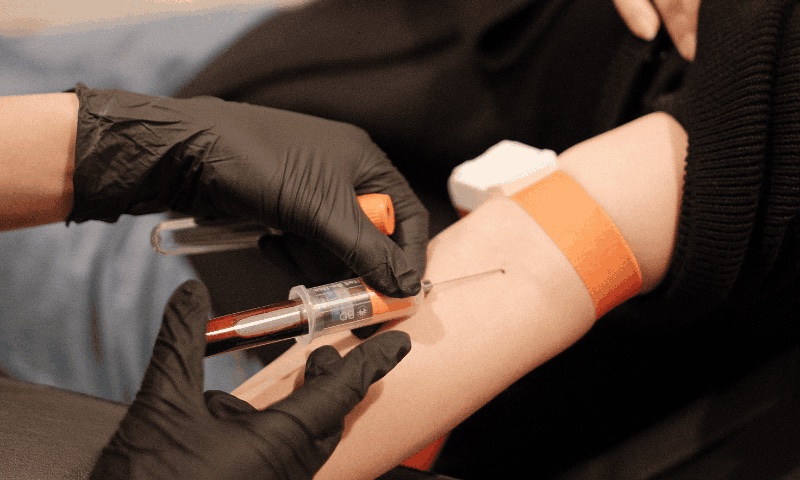
- They do not use your blood. Unlike PRP and PRF, exosomes are made in a laboratory, so every dose is the same, standardised strength. No blood draw needed.
- They are the most advanced option, and also the newest, which means the long term evidence is still catching up to the excitement.
- Quality and source matter enormously, because exosomes are not all made to the same standard.
- Honest bottom line: genuinely promising, worth considering for the right person. We will always tell you if something simpler suits you better.
Exosomes are the most talked about hair loss treatment right now, and with that hype comes a lot of confusion and more than a little overselling. So let's cut through it, honestly.
By the end of this you will understand what exosomes actually are, how they differ from the blood based treatments you may already know, what the science genuinely supports, and whether they are likely to be right for you.
What is an exosome, really?
Your cells talk to each other constantly. One of the ways they do it is by releasing exosomes: incredibly tiny bubbles, far smaller than a cell, packed with instructions. Think of them as text messages sent between cells, carrying growth factors, proteins, peptides and genetic signals that tell the receiving cell what to do.
If growth factors are the fertiliser, exosomes are the little envelopes that carry the instructions telling your follicles exactly how and when to grow.
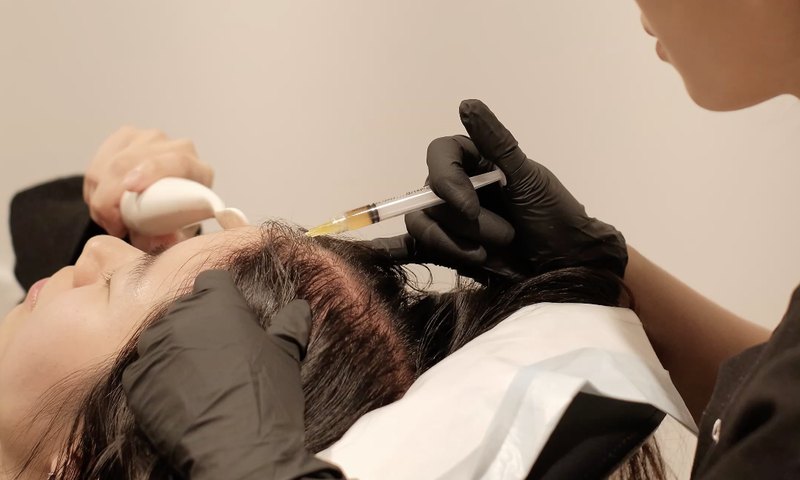
The exosomes used in hair treatment are harvested and purified from stem cells, then applied to your scalp with microneedling and fine injections. The goal is to deliver a concentrated dose of those growth signals directly to tired follicles, encouraging them to shift into an active growth phase.
More than one type of signal
A quality hair specific exosome product delivers a defined mix of biological messengers in every dose, the same every time.
Growth factors
Signals that encourage follicles to repair and enter a growth phase.
Peptides & proteins
Building blocks that support the follicle and surrounding tissue.
Vitamins & minerals
Nutrient support for the scalp environment the hair grows in.
Amino acids
The raw materials your hair is actually built from.
How exosomes differ from PRP and PRF
If you have read about PRP and PRF, you know they take growth factors from your own blood. Exosomes are different in two important ways.
First, they do not come from you. They are produced in a laboratory, which means no blood draw, welcome news if you have difficult veins, a needle phobia, or you simply would rather not.
Second, and this is the big one, they are consistent. The quality of your PRP or PRF depends on the quality of your blood on the day, which changes with your age, health, hydration and hormones. A laboratory made exosome dose is standardised: the same concentration, the same strength, every single session.
Why some people choose exosomes
Your own blood varies from day to day. A lab made dose does not. For some people, that predictability is the deciding factor.
Who exosomes genuinely suit
Exosomes are not automatically the best choice for everyone, and anyone who tells you otherwise is selling. In our experience they tend to suit:
- People who want the most advanced option available and are comfortable being slightly ahead of the evidence curve.
- Anyone who would rather avoid a blood draw, whether from needle phobia, difficult veins, or simple preference.
- People whose blood quality may be lower, for example with age or certain health conditions, where a standardised dose sidesteps that variability.
- Those wanting the added scalp and skin support from the vitamins, minerals and peptides in the formulation.
What the evidence says
Exosome therapy for hair is genuinely promising, and the biology behind it is sound.
A 2025 systematic review in Clinical, Cosmetic and Investigational Dermatology brought together the clinical studies published on exosomes for hair loss. Across them the direction was consistent: improvements in hair density. The laboratory work points to how this may happen. Exosomes appear to signal to the dermal papilla cells that govern each follicle, and to support the follicle through more of its growing phase.
Exosomes are not a regulated commodity where every product is equal. This is why source matters so much. The difference between a rigorously produced, quality controlled exosome and a cheap one is enormous, and it is invisible to you as a client. It is one of the things you are trusting your clinic to get right on your behalf.
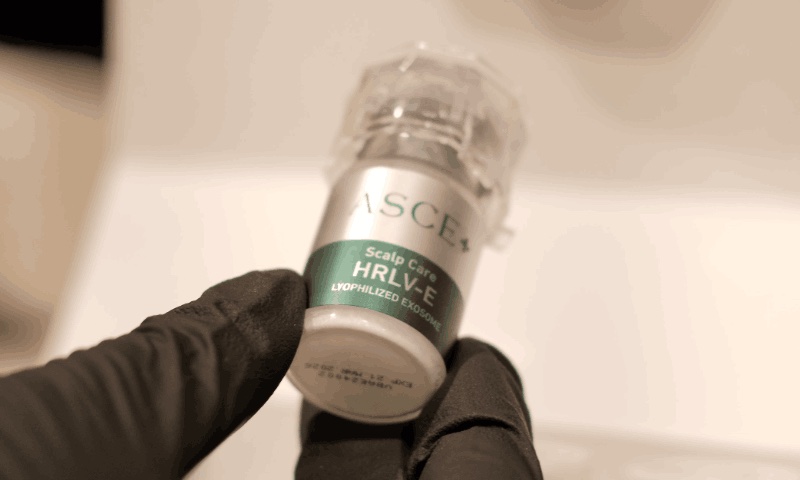
Scalp Series uses ASCE+ HRLV, a clinical grade exosome formulated specifically for the hair and scalp, produced by ExoCoBio, the South Korean biotech behind the globally used BENEV exosome lines. It is manufactured in a GMP certified facility, the same production standard required of pharmaceuticals, and each treatment delivers 1,008+ proteins and growth factors. When the product itself is this hard for a client to evaluate, we think the sourcing should be something a clinic is willing to name and stand behind.
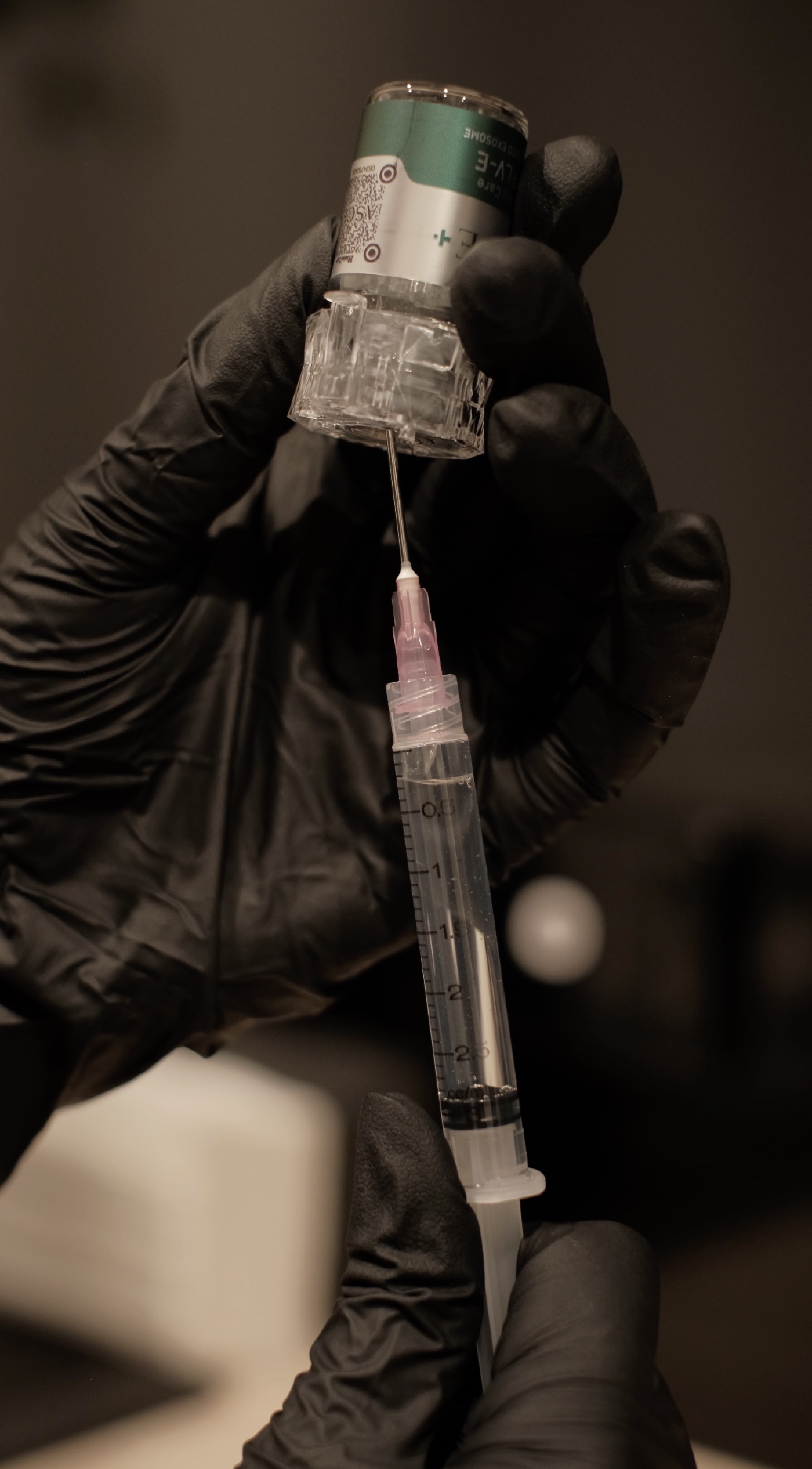
The exosomes arrive freeze dried and are reconstituted in the studio immediately before your treatment, which is how the dose stays consistent. Alongside the exosomes themselves, the formulation carries growth factors and peptides, nineteen amino acids, minerals, vitamins, humectants and coenzymes, chosen to support the scalp environment the exosomes are signalling into.
Find out in two minutes
A few quick questions about your hair, and we'll suggest a sensible starting point, honestly.
Take the assessmentSo, should you consider exosomes?
If you want the most advanced approach, prefer no blood draw, or value a consistent standardised dose, exosomes are well worth discussing. For many other people, PRF remains the sensible, evidence backed choice, and some do best with a combination of the two. There is no single right answer, only the right answer for your scalp.
The only way to know is to have your hair properly assessed. That is what a complimentary consultation and scan are for, and we will give you our honest recommendation, even when that means steering you toward the simpler option.
Crystal, Registered Nurse
Crystal is the founder of Scalp Series and a registered nurse who works exclusively in hair and scalp restoration. She holds a Graduate Diploma in Cosmetic Nursing and Injectables and a Master of Nursing Science, is currently studying toward certification as a trichologist with the International Association of Trichologists, and personally performs every treatment at the studio.
Medically reviewed before publication. Last updated July 2026.