Diet, nutrition and hair loss: what actually matters
- Under eating hurts hair. Very low intake and crash dieting are recognised triggers of shedding.
- Protein and iron do real work. Hair is built from protein, and low iron stores are a common contributor.
- Deficiency is the key word. Correcting a genuine gap helps. Piling on extra when you are not deficient does not.
- Most hair gummies overpromise. They rarely deliver more hair in someone who eats reasonably.
- Diet is one factor, not a cure for pattern hair loss, which is genetic and hormonal.
Few topics attract as much wishful thinking as food and hair. There is an entire aisle promising thicker, faster growing locks in gummy form. The truth is more grounded and, in a way, more empowering: nutrition genuinely matters for hair, but mostly in the direction of not going short, rather than loading up in the hope of extra growth.
Where nutrition really matters
Hair is metabolically expensive to grow, and it is one of the first things the body deprioritises when resources are tight. That single fact explains most of the real connection between diet and hair.
Eating enough
Crash dieting and rapid weight loss are well recognised triggers of telogen effluvium, the temporary shedding where many follicles rest at once. Severe calorie restriction signals to the body that this is not the time to invest in hair. Eating adequately is genuinely protective.
Protein
Hair is largely made of protein, so consistently low intake leaves it short of raw material. For most people eating a reasonable diet this is not an issue, but it becomes relevant with very restrictive eating or a big drop in appetite.
Iron
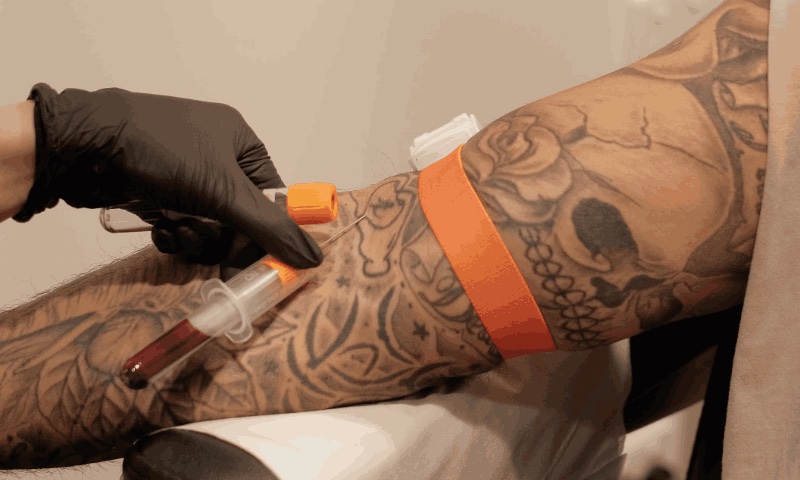
Low iron stores, shown by ferritin on a blood test, are a common and correctable contributor to shedding, especially in menstruating women. This is one worth checking with your doctor rather than guessing at, and we cover it in our blood tests guide.
Nutrition is the soil, not the seed. Poor soil holds a plant back, but the richest soil in the world will not change what the seed was always going to be.
The honest truth about supplements
Here is where expectations and evidence part ways. If you have a genuine deficiency, correcting it, guided by your doctor, can absolutely help your hair. If you do not, taking extra vitamins is unlikely to grow more hair, and in some cases more is genuinely not better.
Popular hair vitamins and gummies tend to promise far more than the evidence supports for someone who already eats reasonably. On biotin specifically, deficiency is uncommon, and supplements mainly help when a true deficiency exists. There is also a practical catch: biotin can interfere with some laboratory blood tests, so it is worth mentioning any supplement to your doctor before testing.
A scan and honest advice beat another supplement
We will tell you plainly whether your hair loss looks nutritional, pattern based, or something else, and point you to your doctor for testing where it helps. The consultation is complimentary.
Book a complimentary consultationWhat a hair friendly approach actually looks like
- Eat enough overall, and be wary of very restrictive or crash diets.
- Include adequate protein across your meals as a matter of routine.
- Check, do not guess. If you suspect a deficiency, ask your doctor for the relevant bloods rather than self prescribing.
- Correct real gaps, with your doctor's guidance, rather than taking supplements on spec.
- Keep perspective. If your hair loss follows a pattern, diet is a supporting factor, not the cause.
The part food cannot fix
It is worth saying plainly, because it saves people money and disappointment. Pattern hair loss is genetic and hormonal, and no diet or supplement reverses it. Good nutrition supports the hair you have and removes an avoidable drag, which is worthwhile, but it is not a treatment for the underlying process. Confusing the two leads people to spend on gummies while the actual cause goes unaddressed.
Nutrition matters for hair mostly through not going short. Eat enough, get adequate protein, and correct genuine deficiencies such as low iron with your doctor's help. Beyond that, most hair supplements promise more than they deliver, and no diet reverses pattern hair loss. Spend your effort on the real drivers, and a scan is the honest way to know what those are.
Crystal, Registered Nurse
Crystal is the founder of Scalp Series and a registered nurse who works exclusively in hair and scalp restoration. She holds postgraduate qualifications in cosmetic nursing, is currently studying toward certification as a trichologist with the International Association of Trichologists, and personally performs every assessment at the studio.
Reviewed before publication.