Minoxidil, honestly: what it does and what it does not
- It is the most common starting point, a topical you apply to the scalp, available from pharmacies.
- It supports hair while you use it. It is a maintenance treatment, not a one off cure.
- It is slow, and it commits you. Give it months, and know that stopping usually reverses the gains.
- Early shedding is normal, and often a sign it is starting to work, not failing.
- It suits some people well and others less so, and it is often used as one part of a wider plan.
If you have looked into hair loss at all, you have met minoxidil. It is the best known over the counter option, sold under various brand names. It also might be the most misunderstood, which leads people to quit it just before it would have helped, or expect things from it that it was never going to deliver.
So here is the straight version, with no product to sell you.
What it actually is
Minoxidil is a topical treatment, a liquid or foam you apply to the scalp, that has long been used for pattern hair loss. It is a pharmacy medicine, so it is worth a quick chat with your pharmacist or doctor about whether it suits you before you start.
Interestingly, its hair effect was discovered by accident: it was originally developed for something entirely unrelated, and extra hair growth turned out to be a side effect. Scientists still do not fully agree on every detail of how it helps hair, but the practical picture is well established.
How it is understood to work
The general understanding is that minoxidil helps to prolong the growth phase of the hair cycle and supports blood flow around the follicle, encouraging follicles to produce hair for longer and more robustly than they would otherwise.
It does not plant new trees. It waters the ones you have, so they grow greener for longer. Stop watering, and they drift back to how they were.
That single idea explains most of what people find confusing about it, so let's make the does and does not explicit.
What it does, and what it does not
Most disappointment with minoxidil comes from expecting the right hand column. Understanding the split up front changes everything.
- Support and prolong the growth phase of existing follicles
- Help some people maintain and modestly improve density
- Work quietly in the background with daily use
- Act as a foundation other treatments build on
- Regrow hair where follicles are already gone
- Work quickly, results take months
- Hold results after you stop using it
- Guarantee the same outcome for everyone
The honest catches
Three things trip people up, and all three are worth knowing before you begin.
It is slow
This is not a treatment you judge in a few weeks. Most people need to use it consistently for several months before there is anything meaningful to assess. Patience is part of the deal.
Early shedding can happen
Many people notice a burst of extra shedding in the first weeks. It sounds alarming, but it is often a sign that follicles are resetting into a new growth cycle. It usually settles, and is not a reason to panic and stop.
Stopping usually undoes it
Because it supports hair rather than curing the underlying cause, the gains generally depend on continued use. If you stop, the hair it was helping tends to return to how it would otherwise have been over the following months. It is a commitment, not a course.

Where it fits
None of this is a knock on minoxidil. For plenty of people it genuinely helps, and it is a sensible, accessible starting point. The key is realistic expectations and consistency.
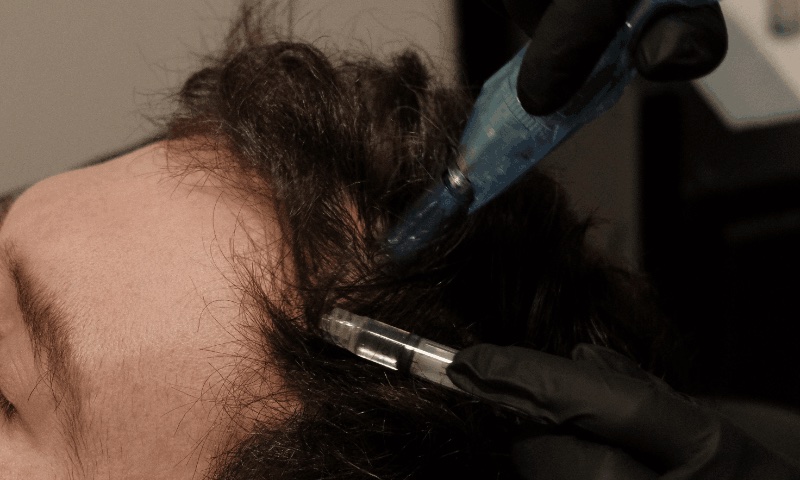
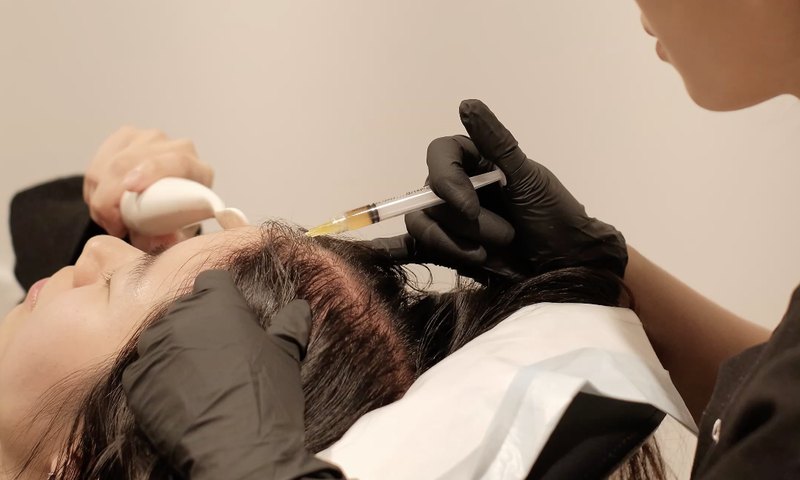
It is also frequently used as one part of a wider plan rather than the whole answer. Because it supports existing follicles, it can sit alongside other approaches that work differently, such as in clinic treatments that deliver growth factors directly into the scalp. What makes sense for you, and what to combine, is exactly the kind of thing worth talking through with someone who has actually assessed your hair, and, for minoxidil specifically, with your pharmacist or doctor.
Minoxidil is a reasonable, well known starting point that helps some people, provided you use it consistently and understand it maintains rather than cures. It is most powerful as part of a considered plan, not a lone miracle. If you are unsure whether it fits your situation, an assessment will tell you far more than another forum thread.
Build a plan around your actual hair
A scan shows what stage you are at, which is the honest basis for deciding what will and will not help. The consultation is complimentary.
Book a complimentary consultationCrystal, Registered Nurse
Crystal is the founder of Scalp Series and a registered nurse who works exclusively in hair and scalp restoration. She holds a Graduate Diploma in Cosmetic Nursing and Injectables and a Master of Nursing Science, is currently studying toward certification as a trichologist with the International Association of Trichologists, and personally performs every assessment at the studio.
Medically reviewed before publication. Last updated July 2026.