Stress and hair loss: the real connection
- Stress can genuinely trigger shedding, but through a specific, temporary mechanism rather than vaguely.
- It is usually telogen effluvium, where many follicles enter the resting phase at once and shed together.
- The timing is delayed, often two to three months later, which is why people rarely connect the two.
- It usually recovers, because the follicles are resting, not lost, once the stress settles.
- Ongoing stress can prolong it, and a scan helps tell it apart from underlying pattern loss.
"Is it stress?" is one of the most common questions we hear, usually asked with a mix of hope and dread. The honest answer is yes, stress really can affect your hair, but not in the loose way it is often imagined. Understanding the actual mechanism explains the strange timing, and it is genuinely reassuring.
How stress affects hair
Significant physical or emotional stress can push a large number of hair follicles out of their growth phase and into the resting phase all at once. This is telogen effluvium, the same temporary shedding that follows illness, surgery, childbirth and rapid weight loss. The body, under strain, quietly deprioritises hair.
The key point is that the follicles are not being destroyed. They are being paused. That is why this type of shedding, while alarming to watch, generally recovers.
Stress does not pull your hair out at the root. It sends a batch of follicles to sleep, and they let go of their hair later, all around the same time.
Why the timing feels so strange
Here is the detail that trips everyone up. The shedding is delayed. Follicles nudged into the resting phase do not release their hair immediately, they hold it for a couple of months before letting go. So the heavy shedding typically shows up around two to three months after the stressful period, often just as life is settling down.
That lag is exactly why people so rarely link the two. The exam season, the bereavement, the demanding stretch at work has passed, and then the hair starts coming out, seemingly from nowhere. Connecting the shedding back to the earlier event is often the moment the worry eases.
A scan tells you if it is temporary
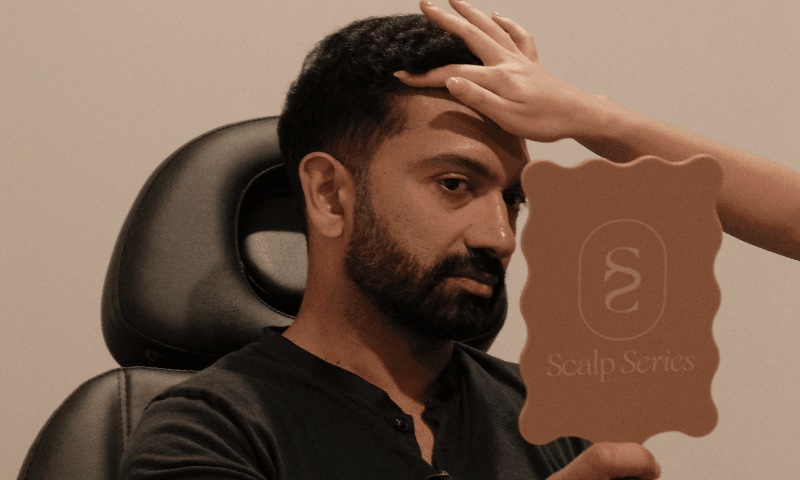
A baseline scan helps distinguish stress related shedding, which usually recovers, from underlying pattern loss that may need action. The consultation is complimentary.
Book a complimentary consultationDoes it grow back?
Usually, yes. Because the follicles are resting rather than lost, hair generally recovers over the following months once the trigger has passed and the follicles restart their cycle. Recovery follows the pace of the hair growth cycle, so it is measured in months, and patience is part of it.
There are two honest caveats. If the stress is ongoing rather than a single event, the shedding can persist for as long as the trigger does. And sometimes a bout of shedding can unmask underlying pattern hair loss that was already progressing quietly. If your hair does not recover, or the thinning follows a pattern, that is worth an assessment.
What helps
- Address the trigger where you can, since the shedding tends to follow the stress.
- Look after the basics, eating enough and sleeping, which support recovery.
- Be patient with the timeline, because regrowth follows the hair cycle over months.
- Get assessed if it lingers, so ongoing stress or an underlying cause is not missed.
Stress genuinely can cause shedding, through a temporary process called telogen effluvium, where follicles rest and then shed a couple of months later. That delay explains why it feels to come from nowhere. It usually recovers once the stress settles, though ongoing stress can prolong it and it can reveal underlying pattern loss. A scan is the honest way to tell which you are dealing with.
Crystal, Registered Nurse
Crystal is the founder of Scalp Series and a registered nurse who works exclusively in hair and scalp restoration. She holds postgraduate qualifications in cosmetic nursing, is currently studying toward certification as a trichologist with the International Association of Trichologists, and personally performs every assessment at the studio.
Reviewed before publication.