Hair transplant vs regenerative treatment: which is right for you?
- They do different jobs. A transplant moves hair you still have into thinning areas. Regenerative treatment strengthens the hair that is already there.
- Transplants are surgery. Effective for the right candidate, but a bigger commitment in cost, downtime and permanence.
- Regenerative treatment is non surgical. PRP, PRF and exosomes support your existing follicles, with no operation.
- Stage decides a lot. Active but thinning follicles can often be supported without surgery. Completely bald areas may need a transplant.
- It is frequently not either or. Many people start with regenerative treatment, and some combine both for the best result.
If you have been researching hair loss, you have probably run into two very different worlds: surgical hair transplants on one side, and regenerative treatments like PRP, PRF and exosomes on the other. It can feel like you have to pick a team.
You do not. They solve different problems, and understanding which problem you have is the whole game. Let's make it clear.
Two completely different approaches
The simplest way to understand the choice is to see what each one actually does.
Two ways to tackle thinning hair
One approach moves hair from where you have plenty to where you have less. The other works to strengthen and support the hair you still have.
Hair transplant
A surgeon removes follicles from the back and sides of your scalp, where hair is resistant to loss, and places them into thinning or bald areas. It relocates hair you already have.
Regenerative treatment
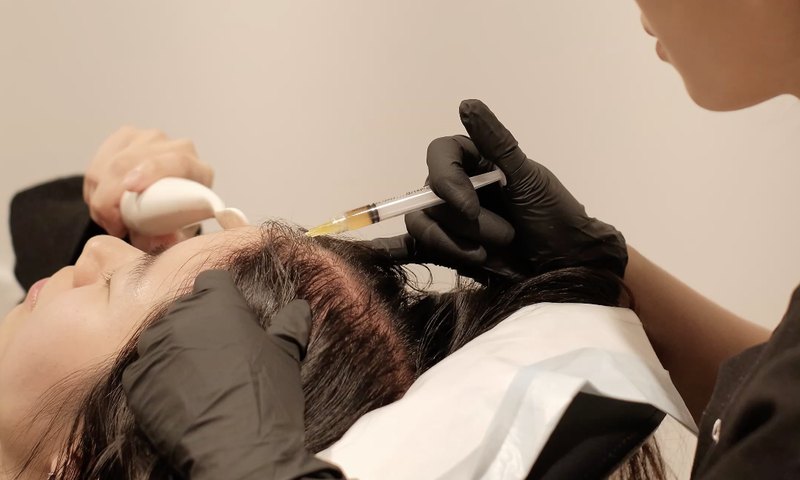
PRP, PRF and exosomes deliver growth signals into the scalp to strengthen and support the follicles you still have, encouraging thinning hair to grow better. It revitalises rather than relocates.
Think of your scalp as a lawn. A transplant is like laying turf on a bare patch. Regenerative treatment is like feeding and watering the grass you still have so it grows thicker. Very different jobs.
How a hair transplant works
In a modern transplant, a surgeon harvests individual follicles, most commonly using a technique called follicular unit extraction, from the permanent zone at the back and sides of your head. Those follicles are then carefully placed into the thinning areas, where they continue to grow as they naturally would.
For the right candidate it can be an excellent, lasting solution. But it is worth being clear eyed: it is surgery, with the cost, recovery time and permanence that implies. It also relies on you having enough healthy donor hair to move, and it does nothing to protect the existing hair around the transplant, which can keep thinning if it is not also looked after.
How regenerative treatment works
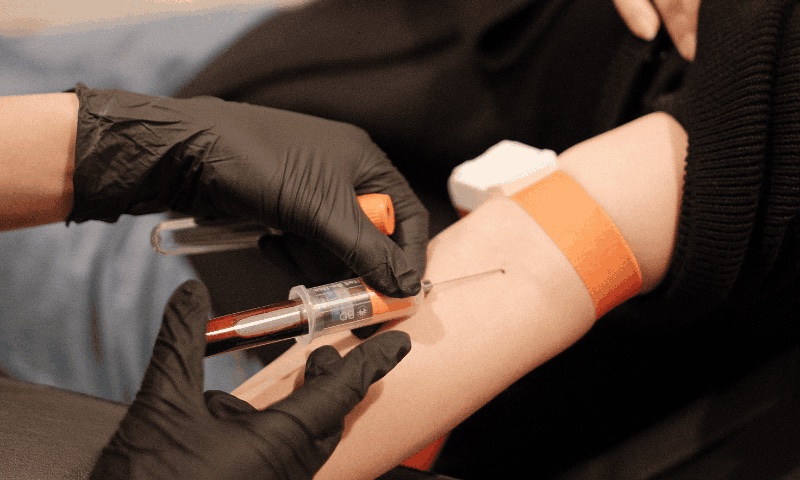
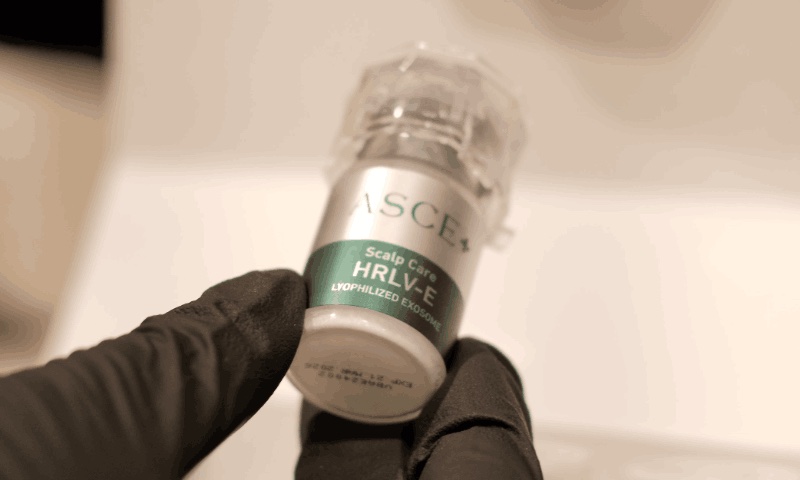
Regenerative treatments take a completely different route. Rather than moving hair, they work to improve the health and performance of the follicles you already have. PRP and PRF use growth factors from your own blood, and exosomes use standardised growth signals produced in a laboratory, all delivered into the scalp to encourage thinning follicles to grow stronger.
Because there is no surgery, there is minimal downtime. The trade off is that regenerative treatment works with what is still there. It cannot create hair in an area where the follicles are already completely gone.
Side by side
| Hair transplant | Regenerative treatment | |
|---|---|---|
| What it does | Moves existing follicles into thinning areas | Strengthens the follicles you still have |
| Surgery involved | Yes | No |
| Best for | Areas that are already bald, with good donor hair | Thinning where follicles are still active |
| Downtime | A recovery period after surgery | Minimal, most people carry on with their day |
| Protects existing hair | Not on its own | Yes, that is the whole point |
| Commitment | Larger, one off surgical investment | A course of sessions, then maintenance |
So which do you need?
It comes down largely to how far your hair loss has progressed.
- If your hair is thinning but still present, regenerative treatment can often support and improve it without surgery. If you are still working out what is driving the thinning, start with our guides to hair loss in men and hair loss in women. This is where a lot of people are when they first start worrying, and it is the best time to act.
- If an area is completely smooth and bald, with no active follicles left, no amount of regenerative treatment will create hair there. That is the situation a transplant is designed for.
- Many people sit somewhere in between, which is exactly why an honest assessment matters more than a general rule.
A scan gives you a real answer
Your scalp scan shows whether your follicles are thinning or gone, which is the fact that decides your best path.
Book a complimentary consultationWhy it is often not either or
Here is the part the two separate worlds rarely tell you: these approaches can work together. Someone considering a transplant still wants to protect the existing hair around the grafts, and regenerative treatment is well suited to that. Some clinics also use regenerative treatments to support healing and follicle health around the time of a transplant.
Our honest position: for many people, especially earlier in their hair loss, regenerative treatment is a sensible first step that may delay or reduce the need for surgery, and looks after the hair you have either way. If a transplant is genuinely the right call for you, we will tell you that too, even though it is not something we perform.
We do not perform transplants, so we have no reason to push you toward or away from one. What we can do is give you a straight assessment of where your hair loss is, and whether supporting your existing follicles is a sensible place to start.
Crystal, Registered Nurse
Crystal is the founder of Scalp Series and a registered nurse who works exclusively in hair and scalp restoration. She holds a Graduate Diploma in Cosmetic Nursing and Injectables and a Master of Nursing Science, is currently studying toward certification as a trichologist with the International Association of Trichologists, and personally performs every treatment at the studio.
Medically reviewed before publication. Last updated July 2026.